Reading time: 5 minutes
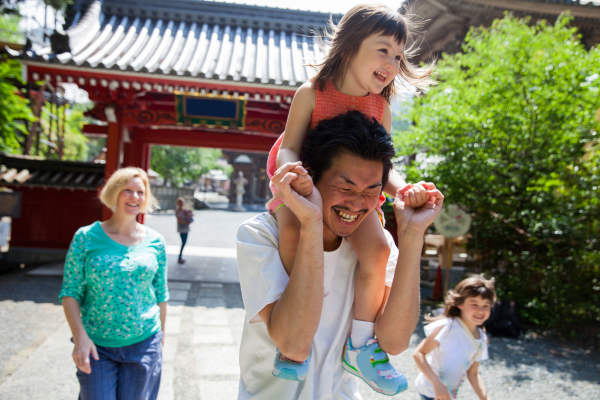
Japan with kids? Yes. A thousand times yes.
It's safe, it's clean, it runs like clockwork... and it's packed with trains, robots, anime, castles, snow monkeys and more vending machines than your children thought possible. But while Japan is incredibly family-friendly, it's also very different from Australia - and that's where smart planning makes all the difference.
Here's everything you need to know before travelling Japan with kids - from toddlers to teens.
Is Japan good for kids?
Japan consistently ranks as one of the safest countries in the world. Public transport is reliable, streets are clean, and locals are generally kind and helpful toward families. But cities like Tokyo and Osaka are big, busy and fast-paced - so slowing your itinerary down is key.
Top tip: Most families who enjoy Japan don't try to "see everything." Build in park breaks, snack stops and downtime.
Step 1: Your planning checklist
With Japan's popularity booming (hello weak yen and bucket-list vibes), planning ahead is your secret weapon. Before you fly, spend some time researching logistics - there are countless online forums and travel planning communities packed with real-world tips from families who've just been. A little pre-departure admin can make a huge difference once you land.
Here are a few things to sort out before take off:
- Research your itinerary: Look into neighbourhoods, transport routes and realistic travel times between cities (Japan looks small on a map... it's not).
- Organise your phone data: Decide between an eSIM, pocket Wi-Fi or international roaming. Reliable internet makes navigating train stations, translating menus and finding your hotel infinitely easier. Additionally, make sure your device works on Japanese networks and isn't carrier-locked.
- Learn a few key phrases + download a translation app: You don't need to be fluent, but knowing basics like konnichiwa, arigatou gozaimasu and sumimasen (hello, thank you and excuse me) goes a long way. A translation app, especially one with camera text translation, is incredibly helpful for reading menus, checking allergy info and navigating signs outside major tourist areas.
- Plan your payments: Japan is increasingly card-friendly, especially in major cities, but smaller towns, markets and some restaurants still prefer cash. You can withdraw cash at airports or convenience store ATMs and keep coins handy for vending machines and transport top-ups.
- Book big attractions early: Theme parks, popular museums and character cafes can sell out weeks in advance.
Sort these basics before departure and you'll spend less time troubleshooting - and more time chasing cherry blossoms or snowflakes.
How long should you spend in Japan with kids?
The sweet spot? 10-14 days tends to work well.
Less than a week can feel rushed (especially with jet lag). Two weeks gives you time to explore Tokyo, Kyoto and Osaka at a comfortable pace, plus add one or two unique day trips.
If you're travelling with toddlers, consider fewer hotel changes. Packing up every second day is fun for exactly no one.
Best places in Japan for kids
If you're wondering where to go in Japan with children, these destinations consistently come out on top.
Tokyo: Bright lights, big fun
Tokyo is chaotic in the best way - and surprisingly great for kids.
Family favourites include:
- Tokyo Disneyland & DisneySea (arguably the best Disney parks in the world)
- TeamLab digital art museums
- Ueno Zoo
- KidZania Tokyo (kids role-play real-world jobs)
- Pokemon Centres (prepare for emotional scenes)
Neighbourhoods like Asakusa and Shinjuku have wide footpaths and parks nearby, making them manageable bases for families.
Pro tip: Choose accommodation near a major train line. Reducing transfers = reducing meltdowns.
Osaka: Japan's playground
Osaka is relaxed, friendly and incredibly food-focused, which makes it ideal with kids.
Don't miss:
- Universal Studios Japan (Super Nintendo World is a huge hit)
- Osaka Aquarium (one of the world's best)
- Street food in Dotonbori
- Day trips to Nara (bowing deer = instant kid joy)
Many families say Osaka feels easier to navigate than Tokyo, with a slightly slower pace.
Kyoto: Culture without the boring bits
Yes, Kyoto is temples and history - but it's also bamboo forests, ninja experiences and samurai museums.
Kid-friendly Kyoto ideas:
- Arashiyama Bamboo Grove
- Monkey Park Iwatayama
- Samurai & ninja workshops
- Traditional sweet-making classes
Plan temple visits strategically (short visits, early mornings) and mix cultural stops with parks or hands-on activities.
Hokkaido: Snow adventures in winter
Travelling Japan in winter with kids? Hokkaido is a dream.
Think:
- Powder snow (some of the best in the world)
- Ski schools with English-speaking instructions
- Snow festivals with ice sculptures
- Snow tubing and snow play areas
Resorts like Niseko are particularly family-friendly. Even if you're not skiing, kids love the novelty of deep snow and onsens (many accommodations offer private family baths).
Hakuba & Nagano: Snow monkeys & ski days
Another great winter option near Tokyo.
Highlights:
- Jigokudani Snow Monkey Park
- Family ski fields
- Easy access from Tokyo by train
Winter travel tip: Layer up properly. Japanese heating indoors is strong, so easy-to-remove layers are your best friend.
Travelling Japan in summer with kids
Summer (June-August) is festival season - but it's hot and humid.
What to expect:
- High humidity in cities
- Afternoon thunderstorms
- Fireworks festivals
- Lively street celebrations
How to survive summer:
- Plan outdoor sightseeing early morning or evening
- Use department stores and museums for air-conditioned breaks
- Hydrate constantly (vending machines are everywhere)
- Book accommodation with good cooling
If you're travelling during school holidays, expect theme parks and major attractions to be busy - pre-book where possible.
Getting around Japan with kids
Japan's public transport is excellent - but stations can be enormous, which can be particularly overwhelming with children.
Train tips:
- Avoid peak commuter times (7:30-9.30am, 5-7pm)
- Book Shinkansen (Japan's 'bullet train) seats in advance so you sit together
- Allow extra time to navigate large stations
- Use luggage forwarding services between cities to travel light
Do kids need tickets?
Children aged 6-11 usually require child fares on trains. Under 6 often travel free if not occupying a seat.
IC cards (like Suica or Pasmo) make tapping on and off trains much easier than buying individual tickets.
Where to stay in Japan with kids
Accommodation size surprises many first-time visitors - rooms can be quite compact.
Family-friendly options:
- Apartment hotels
- Western-style hotels with larger rooms
- Traditional ryokan with tatami mats (great for younger kids)
- Resorts in snow regions
Look for properties near train stations but slightly outside the busiest nightlife areas for quieter evenings.
Where to eat: kid-approved Japanese food
One of the biggest questions parents ask: Will my kids eat the food?
Many parents know too well, the answer to this question can be unpredictable even when not travelling in an unfamiliar country. Regardless, Japan has plenty of approachable options:
- Ramen
- Udon needles
- Teriyaki chicken
- Gyoza
- Karaage (Japanese fried chicken)
- Conveyor belt sushi (interactive and fun)
Convenience stores are fantastic for snacks, fruit cups, sandwiches and emergency hunger moments.
For allergies, research ahead of time and carry translation cards explaining dietary restrictions.
Common challenges (and how to avoid them)
1. Too much walking
Japan involves more steps than you expect. Comfortable shoes are non-negotiable.
2. Over-scheduling
Temples, shrines and museums are wonderful - but space them out. Mix in interactive attractions and downtime.
3. Luggage logistics
Dragging multiple suitcases through train stations with kids can be exhausting. Consider sending luggage ahead between cities.
4. Jet Lag
Australia to Japan isn't a huge difference, but younger kids can still struggle (and some adults too!). Keep your first day light and flexible.
Cultural tips for kids
Japan has clear etiquette - but it's easy to follow.
Teach kids:
- Indoor voices on trains
- Remove shoes when required
- Line up patiently
- Be respectful in temples and shrines
Many families find children adapt quickly to Japan's orderly culture.
When is the best time to visit Japan with kids?
Each season offers something unique.
Spring (March-May): Cherry blossoms, mild weather, parks in full bloom.
Summer (June-August): Festivals, fireworks, vibrant street life (but hot).
Autumn (September-November): Cooler temperature and stunning red leaves.
Winter (December-February): Snow adventures, ski resorts and fewer crowds in major cities.
For comfort and balance, many families prefer spring or autumn. For snow magic? Winter wins.
Final tips for a smooth family trip
- Slow down your itinerary
- Book popular attractions in advance
- Stay near transport
- Embrace convenience stores
- Say yes to quirky experiences
- Plan one "big ticket" activity per day max
- Leave space for the unexpected
Japan with kids isn't just doable - it's unforgettable.
With the right pacing, a little flexibility and a willingness to embrace the unfamiliar, you'll come home with stories about bullet trains, robot cafes, snow days and probably a suitcase full of Pokemon plushies.
Your kids? They'll have a ball. And importantly, they will come home with more than just happy memories - they'll be introduced to a new culture and learn that there are whole other ways of life out there.
And honestly? That's a pretty great holiday.
Travel Insurance
We all know that the good times can take a slight detour when travelling. When the going gets tough, Travel Insurance Direct policies may assist with travel insurance cover for your family trip to Japan, to help keep your trip moving in the right direction - so you can focus on the fun.
And if you're headed for the snow fields? Check out TID's Snow sports cover option.
Cover is subject to the policy terms, conditions, limitations and exclusions. Consider the PDS and TMD and if the product is right for you.